A proposed cooperative-led inspection and improvement programme delivered with qualified mining, structural or geotechnical engineering specialists and relevant public institutions.
The challenge
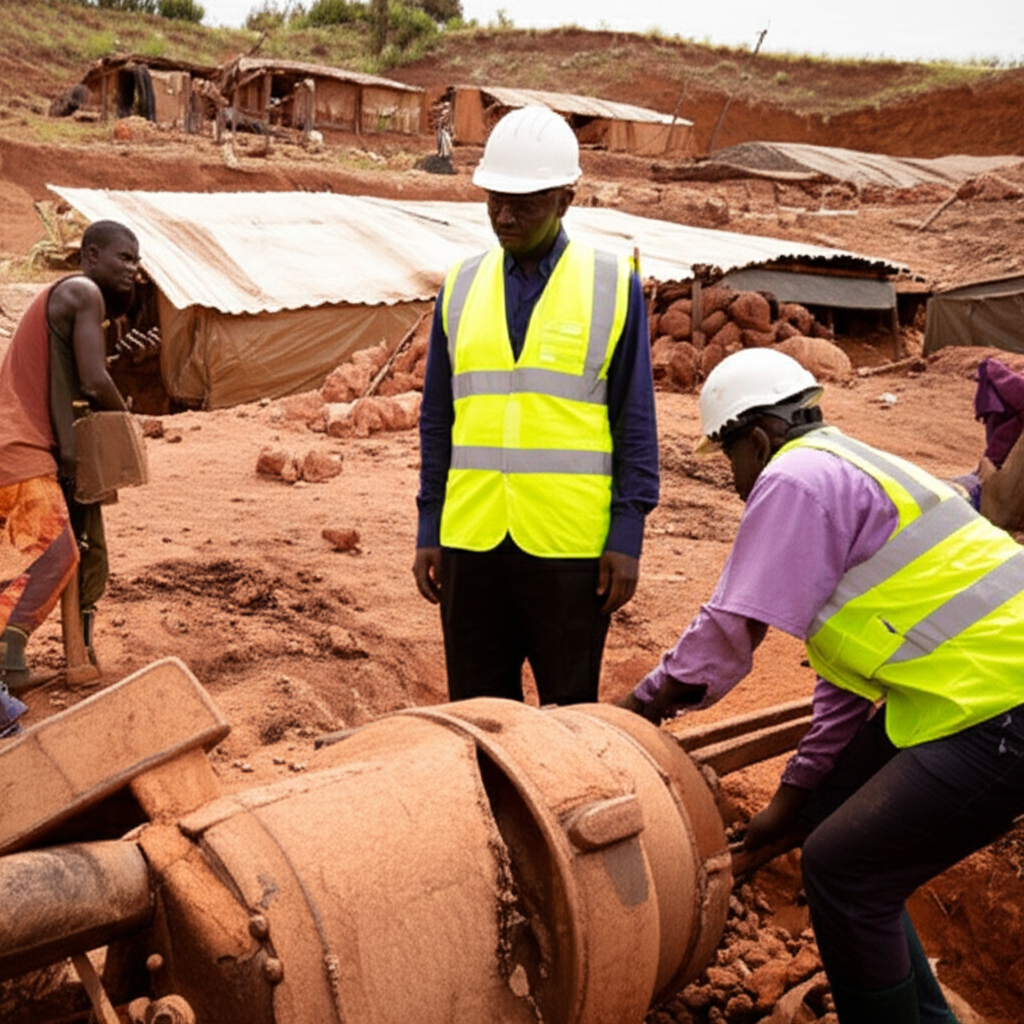
Mine collapses and other serious incidents continue to threaten workers in artisanal and small-scale mining. Risk can be increased by unstable ground, inadequate support, unsafe shafts and access routes, water ingress, poor ventilation, unplanned excavation and limited access to qualified engineering advice.
MHN proposes a cooperative-led inspection and improvement programme delivered with an appropriately constituted mining, structural or geotechnical engineering body and relevant public institutions.
Key hazard categories inspected
Excavation stability
criticalUnstable ground, wall conditions, pillar design
Shaft & access
criticalEntry/exit points, ladderways, shaft lining
Ventilation
highAirflow, gas accumulation, oxygen levels
Ground control
criticalRoof support, timbering, stope conditions
Water ingress
highFlooding risk, drainage, sumps
Operational hazards
mediumBlasting, equipment, unplanned excavation
Proposed inspection pathway
A structured, cooperative-led process from site onboarding through to aggregated programme reporting.
Agreement on inspection scope, responsibilities and confidentiality between MHN, the cooperative and technical partners.
Gathering basic site and incident information before the visit to focus the inspection on known risk areas.
Cooperative representatives and qualified technical personnel inspect excavations, shafts, access routes, ventilation and ground control together.
Immediate communication of conditions presenting imminent danger, with clear escalation and suspension protocols.
Risk classification and preparation of site-specific engineering and operational recommendations by qualified specialists.
Corrective-action planning with responsible persons, target dates and resource requirements clearly documented.
Review of actions taken and assessment of unresolved risks, with updated classifications where warranted.
Programme-level reporting to guide prevention, technical assistance and appropriate regulatory action — protecting sensitive site information.
Responsible disclosure
Individual mine ratings should not be published without an agreed methodology, qualified technical review, a process for correcting factual errors, clearly defined disclosure rules and alignment with responsible government agencies.
Professional scope
MHN does not certify the structural safety of a mine. Technical judgements and professional sign-off remain the responsibility of appropriately qualified and authorised specialists.

Programme outputs
Standardised cooperative mine-safety inspection tool
Confidential site inspection reports
Risk categories with defined escalation criteria
Practical engineering and operational recommendations
Cooperative corrective-action plans
Follow-up and closure records
Confidential compliance and enforcement matrix for authorised agencies
Public aggregated report that protects sensitive site information
Partnership requirements
Mining or geotechnical engineers
Qualified professionals for technical review and sign-off on structural recommendations
Regulatory institutions
Relevant government agencies to define disclosure, enforcement and confidentiality protocols
Cooperative leaders
Local knowledge, access and trust to make joint inspections meaningful and actionable
Programme funders
Resources to develop the inspection tool, conduct field tests and produce programme outputs